Agnes Tiszeker — Legends Who Have No Time for Memories
 Last night, we finished watching the English series “Legends.” The story is simple, almost unbelievable: four British customs officers, without a large budget, without special training, and without the status of cinematic heroes, managed to stop two organised gangs smuggling heroin into England. They did not look like legends. They did not have the aura of the invincible. They simply did their job better than anyone expected them to.
And perhaps that is exactly why the series touched me. Because while watching it in Budapest, I remembered another story about legends. Not the grand ones, not the official ones, but the quiet, professional, stubborn people who, at a certain moment, do what has to be done — and then return to their everyday work as if nothing special had happened.
One winter day, I think it was in 2010, I went to Budapest for only 24 hours. From Belgrade to Budapest and back. Today that may sound almost romantic, but at the time there was nothing romantic about that journey. It was the kind of winter one remembers not because of the snow, but because of the ice, the cold, and the empty streets. Weather for which people in my country would say: not even a stray dog could be seen outside.
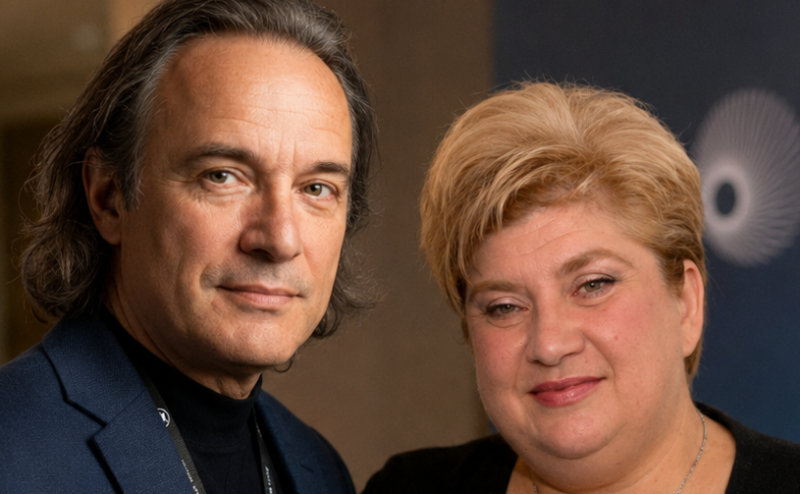
The purpose of the trip was a meeting with my colleague Dr Agnes Tiszeker, a woman who was then, as she is today, one of the most recognisable names in Hungarian anti-doping. She leads HUNADO, the Hungarian Anti-Doping Agency, and belongs to that rare group of people who do not speak much about history, but simply create it by doing their job.
The meeting was dedicated to joining forces within CEADO, the Central European Anti-Doping Organization, an idea conceived by Karlheinz Demel, one of the founding figures of European anti-doping. Demel was a man who understood what many at the time did not: that small anti-doping organisations could not carry the burden of a large international system on their own. We needed cooperation, knowledge exchange, a common policy, a common voice. We needed something greater than each of us individually.
As always, Agnes and I understood each other easily. We did not have much money. We did not have great support. We did not even have the kind of institutional understanding that people today take for granted when they see established organisations, regulations, meetings, and logos. But we knew it was necessary. And we had enough stubbornness not to give up.
Today, CEADO exists. And when someone looks at its structure, meetings, cooperation, and official news, everything seems normal, almost expected. But none of it was expected back then. Someone had to get into a car on icy roads. Someone had to come to the meeting. Someone had to say: we need this, let us try.
That is why Agnes has always remained, for me, a part of that small but important history. Not only a colleague. Not only the director of a national anti-doping organisation. But someone who was there when things had to begin, when it was not yet clear whether the idea would survive, when everything depended on a few people who believed that cooperation was stronger than isolation.
Much could be written about her professional work. She led the anti-doping system in a country of great sporting importance. She took part in organising testing at major competitions. She was present in the most sensitive areas of sport, where medicine, law, ethics, politics, and human weakness collide. Anti-doping is never only about urine or blood analysis. It is a struggle for trust in sport. And trust, like the ice on that winter day in Budapest, is something on which one can very easily slip if not careful.
This week, I am once again in Budapest. I am sitting in a doping control station, in the very kind of place where Agnes sat in 2024 during a major swimming competition. Everything reminds me of her: the city, the work, the people, the procedures, that special atmosphere of major sporting events, where everyone thinks the most important things happen in the arena, while in fact many important things take place in rooms the public never enters.
I knew she was in Budapest. I hoped we would see each other. That we would sit down, have dinner, laugh about some old episode, mention Demel, and remember the time when we worked a lot, had little, but believed that what we were doing made sense.
But we will not see each other.
Agnes was not able to come. She has new obligations, a new prime minister, new ministers, new training sessions at the anti-doping agency, new meetings, new demands. In short, she has what we all have when the work we have spent years building continues to grow and asks more and more from us.
To be honest, I am a little disappointed. Because there are people you do not need to see often in order to feel close to them. It is enough to know that they were there at an important time. And when, after many years, you find yourself in the same city, in the same professional orbit, it is only natural to wish that the circle might somehow close — even if only over one dinner.
But perhaps that, too, is part of the story of legends.
Legends are not always people who have time for memories. Often, they are people whom the very things they created prevent from stopping and looking back. Their monument is not a statue, nor a ceremonial speech, nor a photograph on a wall. Their monument is the institutions that still function, the young people they trained, the procedures that are respected, the athletes who know that someone is protecting them, even when they never see that person.
That is why this is not a story about Agnes and me not meeting in Budapest. That is only the occasion.
This is a story about people who set things in motion before those things became important to others. About people who worked without large budgets, without special recognition, and without any certainty that their effort would be remembered. About people who, like those British customs officers in the series “Legends,” simply did what had to be done at a crucial moment.
And that is why Agnes, instead of a dinner, will receive this memory.
Because dinner can be postponed.
But history cannot be changed.
♥
Agnes Tiszeker — Legende koje nemaju vremena za uspomene
Sinoć smo završili englesku seriju „Legends“. Priča je jednostavna, gotovo neverovatna: četiri britanska carinika, bez velikog budžeta, bez posebne obuke i bez statusa filmskih heroja, uspela su da zaustave dve organizovane bande koje su švercovale heroin u Englesku. Nisu ličili na legende. Nisu imali oreol nepobedivih. Samo su radili svoj posao bolje nego što je iko od njih očekivao.
I možda me je baš zbog toga serija pogodila. Jer sam se, dok sam je gledao u Budimpešti, setio jedne druge priče o legendama. Ne onim velikim, već onim tihim, profesionalnim, tvrdoglavim ljudima koji u nekom trenutku urade ono što mora da se uradi — i posle se vrate svom svakodnevnom poslu kao da se ništa posebno nije dogodilo.
Jednog zimskog dana, mislim da je bila 2010. godina, otišao sam u Budimpeštu na samo 24 sata. Iz Beograda do Budimpešte i nazad. Danas to zvuči skoro romantično, ali tada nije bilo ničeg romantičnog u tom putovanju. Bila je zima kakvu čovek pamti ne po snegu, nego po ledu, hladnoći i praznim ulicama. Vreme za koje naš narod kaže: ni psa lutalicu ne možeš da vidiš napolju.
Cilj puta bio je sastanak sa koleginicom dr Agnes Tiszeker, ženom koja je tada, kao i danas, jedno od najprepoznatljivijih imena mađarskog antidopinga. Vodi HUNADO, Mađarsku antidoping agenciju, i pripada onoj retkoj grupi ljudi koji ne govore mnogo o istoriji, nego je jednostavno stvaraju radeći svoj posao.
Sastanak je bio posvećen udruživanju u CEADO, Centralnoevropsku antidoping organizaciju, ideju koju je osmislio Karlheinz Demel, jedan od rodonačelnika evropskog antidopinga. Demel je bio čovek koji je razumeo ono što mnogi tada nisu: da male antidoping organizacije ne mogu same da nose teret velikog međunarodnog sistema. Trebala nam je saradnja, razmena znanja, zajednička politika, zajednički glas. Trebalo nam je nešto veće od nas pojedinačno.
Kao i uvek, Agnes i ja smo se lako razumeli. Nismo imali mnogo novca. Nismo imali veliku podršku. Nismo imali ni onu vrstu institucionalnog razumevanja koje ljudi danas podrazumevaju kada gledaju gotove organizacije, pravilnike, sastanke i logotipe. Ali imali smo svest da je to potrebno. I imali smo dovoljno tvrdoglavosti da ne odustanemo.
Danas CEADO postoji. I kada neko pogleda njegovu strukturu, sastanke, saradnje i zvanične vesti, sve izgleda normalno, gotovo očekivano. Ali ništa od toga tada nije bilo očekivano. Neko je morao da sedne u automobil po ledu. Neko je morao da dođe na sastanak. Neko je morao da kaže, ovo nam treba, hajde da pokušamo.
Zbog toga je Agnes za mene uvek ostala deo te male, ali važne istorije. Ne samo koleginica. Ne samo direktorka jedne nacionalne antidoping organizacije. Već neko ko je bio tamo kada je trebalo početi, kada nije bilo jasno da li će ideja opstati, kada je sve zavisilo od nekoliko ljudi koji su verovali da je saradnja jača od izolacije.
O njenom profesionalnom radu moglo bi mnogo da se napiše. Vodila je antidoping sistem u zemlji velikog sportskog značaja. Učestvovala je u organizaciji kontrola na velikim takmičenjima. Bila je prisutna u najosetljivijim oblastima sporta, tamo gde se sudaraju medicina, pravo, etika, politika i ljudska slabost. Antidoping nikada nije samo analiza urina ili krvi. To je borba za poverenje u sport. A poverenje je, kao i led tog zimskog dana u Budimpešti, nešto po čemu se veoma lako okliznete ako niste pažljivi.
Ove nedelje sam ponovo u Budimpešti. Sedim u doping stanici, u prostoru u kojem je Agnes sedela 2024. godine tokom velikog plivačkog takmičenja. Sve me podseća na nju: grad, posao, ljudi, procedure, ona posebna atmosfera velikih sportskih događaja kada svi misle da se najvažnije stvari dešavaju na borilištu, a zapravo se mnogo toga važnog odvija u prostorijama u koje publika nikada ne uđe.
Znao sam da je u Budimpešti. Nadao sam se da ćemo se videti. Da ćemo sesti, večerati, nasmejati se nekoj staroj epizodi, pomenuti Demela, setiti se vremena kada smo radili mnogo, imali malo, ali verovali da to što radimo ima smisla.
Ali nećemo se videti.
Agnes nije mogla da dođe. Ima nove obaveze, novog premijera, nove ministre, nove treninge u antidoping agenciji, nove sastanke, nove zahteve. Ukratko, ima ono što svi imamo kada posao koji smo godinama gradili nastavi da raste i traži sve više od nas.
Da budem iskren, malo sam razočaran. Jer postoje ljudi sa kojima ne morate često da se viđate da biste imali osećaj bliskosti. Dovoljno je da znate da su bili tu u nekom važnom vremenu. A kada se posle mnogo godina nađete u istom gradu, u istoj profesionalnoj orbiti, normalno je da poželite da se taj krug nekako zatvori — makar jednom večerom.
Ali možda je i to deo priče o legendama.
Legende nisu uvek ljudi koji imaju vremena za uspomene. Često su to ljudi koje je upravo ono što su stvarali sprečilo da zastanu i pogledaju unazad. Njihov spomenik nije statua, ni svečani govor, ni fotografija na zidu. Njihov spomenik su institucije koje i dalje rade, mladi ljudi koje su obučili, procedure koje se poštuju, sportisti koji znaju da ih neko štiti, čak i kada tog nekog nikada ne vide.
Zato ovo nije priča o tome da se Agnes i ja nismo videli u Budimpešti. To je samo povod.
Ovo je priča o ljudima koji su pokretali stvari pre nego što su one postale važne drugima. O ljudima koji su radili bez velikog budžeta, bez posebnog priznanja i bez sigurnosti da će njihov trud biti zapamćen. O ljudima koji su, kao oni britanski carinici iz serije „Legends“, u jednom trenutku jednostavno uradili ono što je trebalo.
I zato će Agnes, umesto večere, dobiti ovo sećanje.
Jer večera može da se odloži.
Ali istorija ne može da se promeni.